There is a moment in early April when Kyoto simply loses its mind.
It starts slowly, with a few blushing buds on a weeping branch near the Kamo River. Then, seemingly overnight, the ancient capital is swallowed whole by a pink haze. This is Hanaraku, the "City of Flowers," and for about two weeks, nothing else matters. The rigorous punctuality of Japanese life softens; the stoic faces on the subway look upward; and the air itself seems to hold a collective breath.
If you are planning to visit Kyoto during sakura (cherry blossom) season, you are walking into a phenomenon that is equal parts spiritual awakening and logistical combat. It is the most beautiful time to be here. It is also the most crowded. To navigate it, you need to understand that you aren't just looking at flowers; you are participating in a millennium-old ritual that defines the Japanese soul.
The Roots of the Obsession
Why do we do this? Why does an entire nation coordinate its vacation days, marketing campaigns, and emotional well-being around a flower that dies in a week?
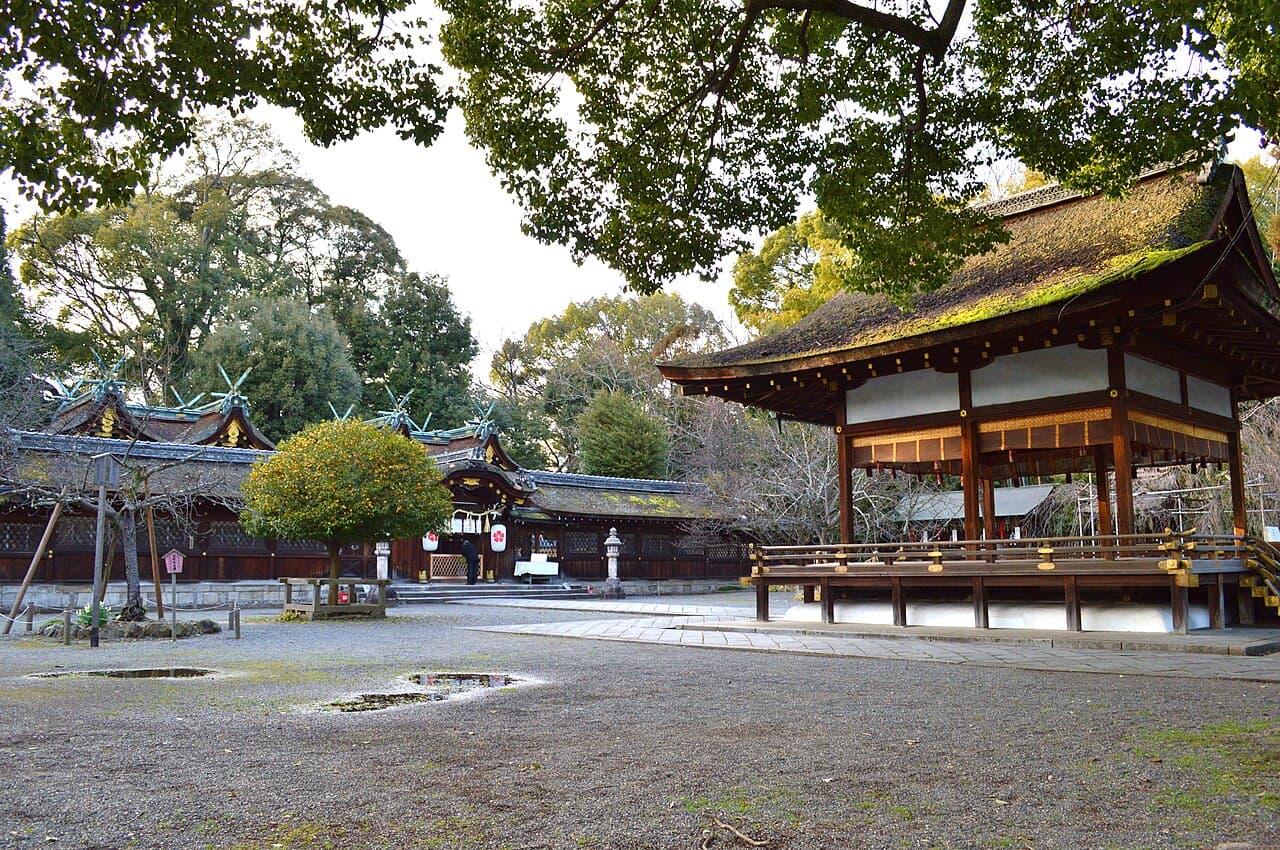
It began, as most high-culture things in Japan do, with the Heian aristocracy. In 812 AD, Emperor Saga hosted the first recorded hanami (flower viewing) party at Jishu Shrine. Back then, it was a refined affair. Courtiers would sit beneath the boughs, sipping sake and composing waka poetry that lamented the passing of time. It was an aesthetic exercise in melancholy.
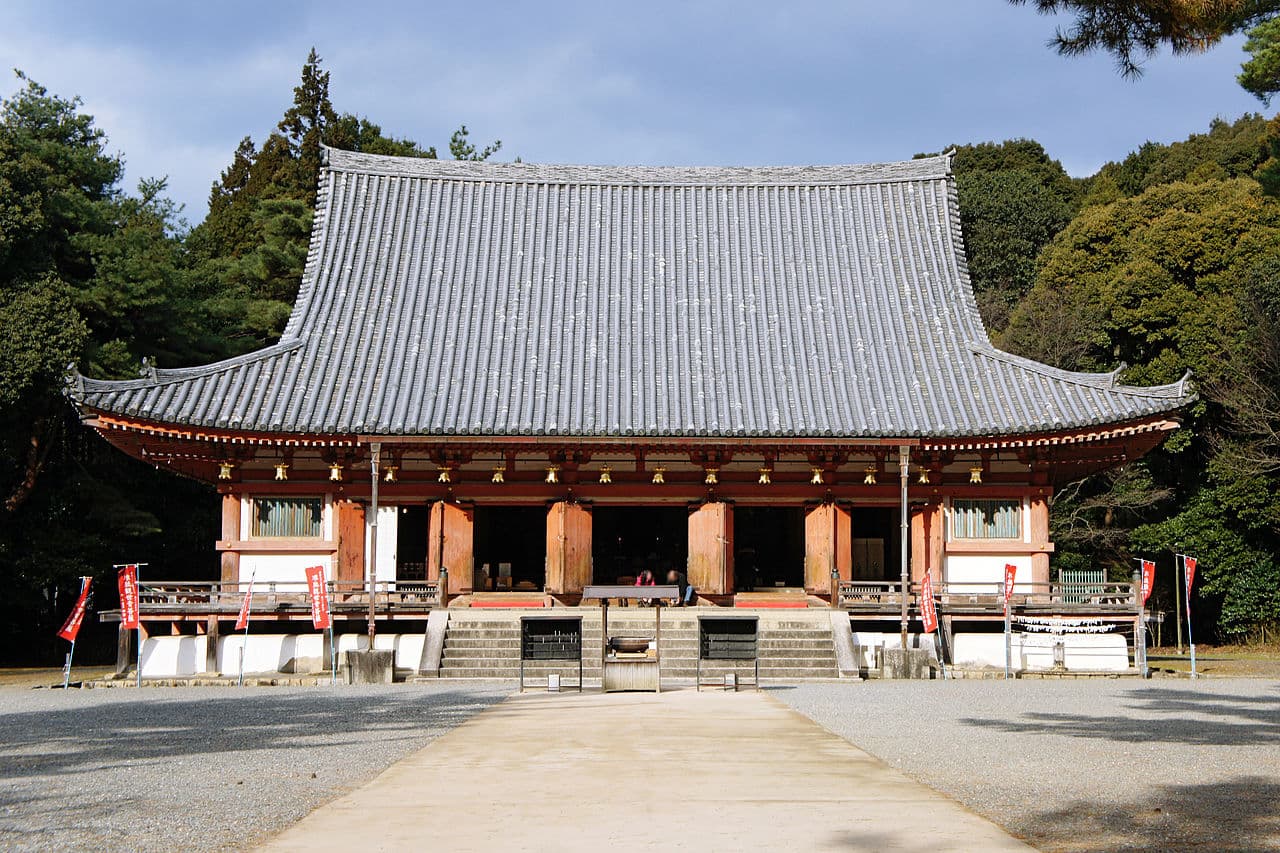
Fast forward to 1598, and the vibe shifted. The warlord Toyotomi Hideyoshi threw a massive bash at Daigoji Temple, planting 700 trees and inviting the feudal elite. This was a flex rather than poetry. It was a display of power and abundance.
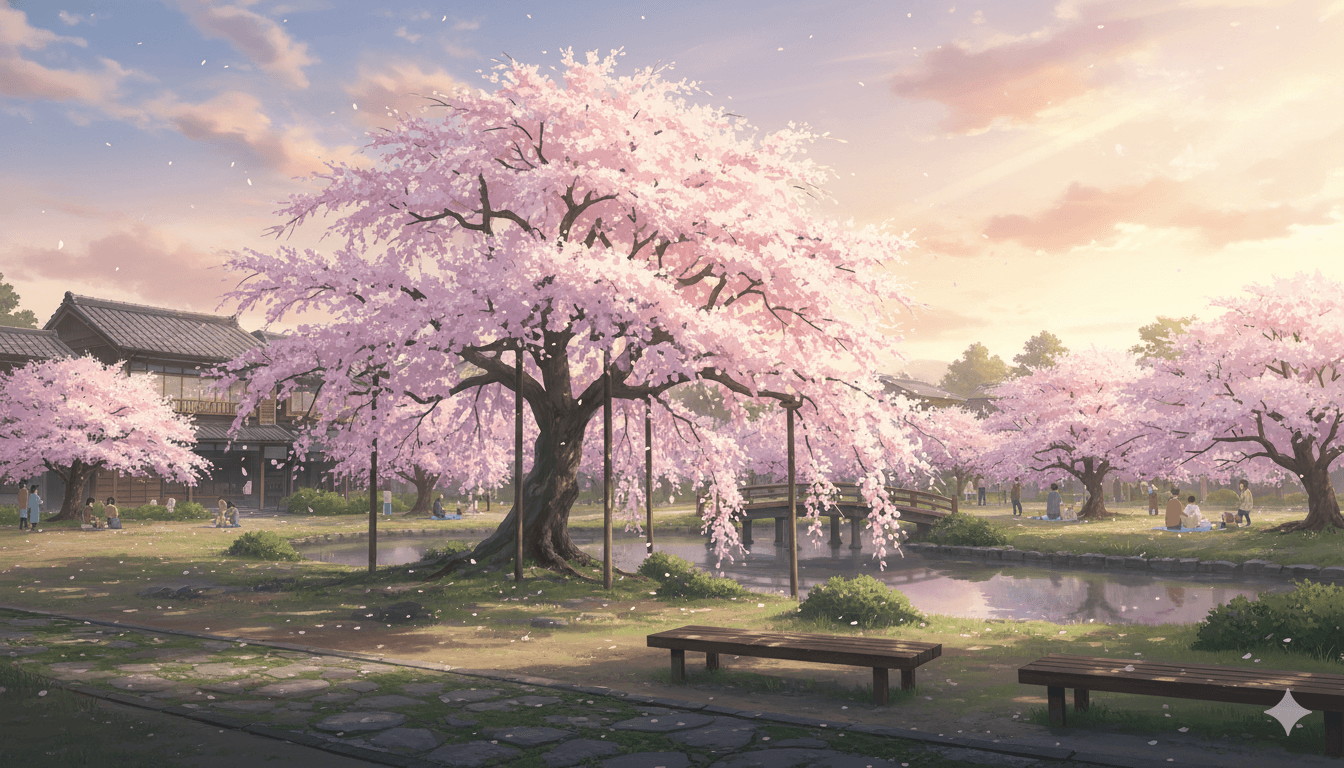
Today, modern hanami is a chaotic, wonderful mashup of these two lineages. In the quiet corners of temples, you find the Heian spirit in the form of silent contemplation of nature. In the public parks, you find the Hideyoshi spirit; blue tarps spread on the ground, convenience store beer flowing freely, and a boisterous, communal celebration of being alive.
The Philosophy of Falling
To understand the cherry blossom is to understand the Japanese concept of mujō (impermanence).
In the West, the tendency is to value things that last. People build stone cathedrals; they want "forever." In Kyoto, the value of the cherry blossom lies precisely in the fact that it doesn't last. If these trees bloomed for three months, nobody would care. Their beauty is terrifyingly brief.
This ties into mono no aware, the pathos of things. It’s that bittersweet ache you feel when you see something so beautiful it hurts, because you know it's already fading. When the wind picks up and the petals scatter like pink snow (a phenomenon called hanafubuki), it’s not a tragedy. It’s the main event. It’s a visual reminder that life is fleeting, so you’d better drink this sake and laugh with your friends right now.
It’s also deeply tied to Shinto, Japan’s indigenous spirituality. The kami (gods) are believed to reside in natural features, and the blooming of the sakura was historically seen as a sign of agricultural renewal. It's a promise that winter is over and life is returning.
Where to Go: The Heavy Hitters
Kyoto has thousands of cherry trees. You could walk down a random alley and find a scene worthy of a woodblock print. However, there are certain heavy hitters that define the season.
Maruyama Park: The Party Central
If you want to see the rowdy, communal side of hanami, come here. The centerpiece is a massive, ancient weeping cherry tree (shidarezakura) that looks like a cascading fountain of pink light when illuminated at night. Underneath, it’s a carnival. The air smells of grilled squid and yakisoba, and the ground is a patchwork of picnic mats.
Loading guide...
The Philosopher’s Path: The Contemplative Stroll
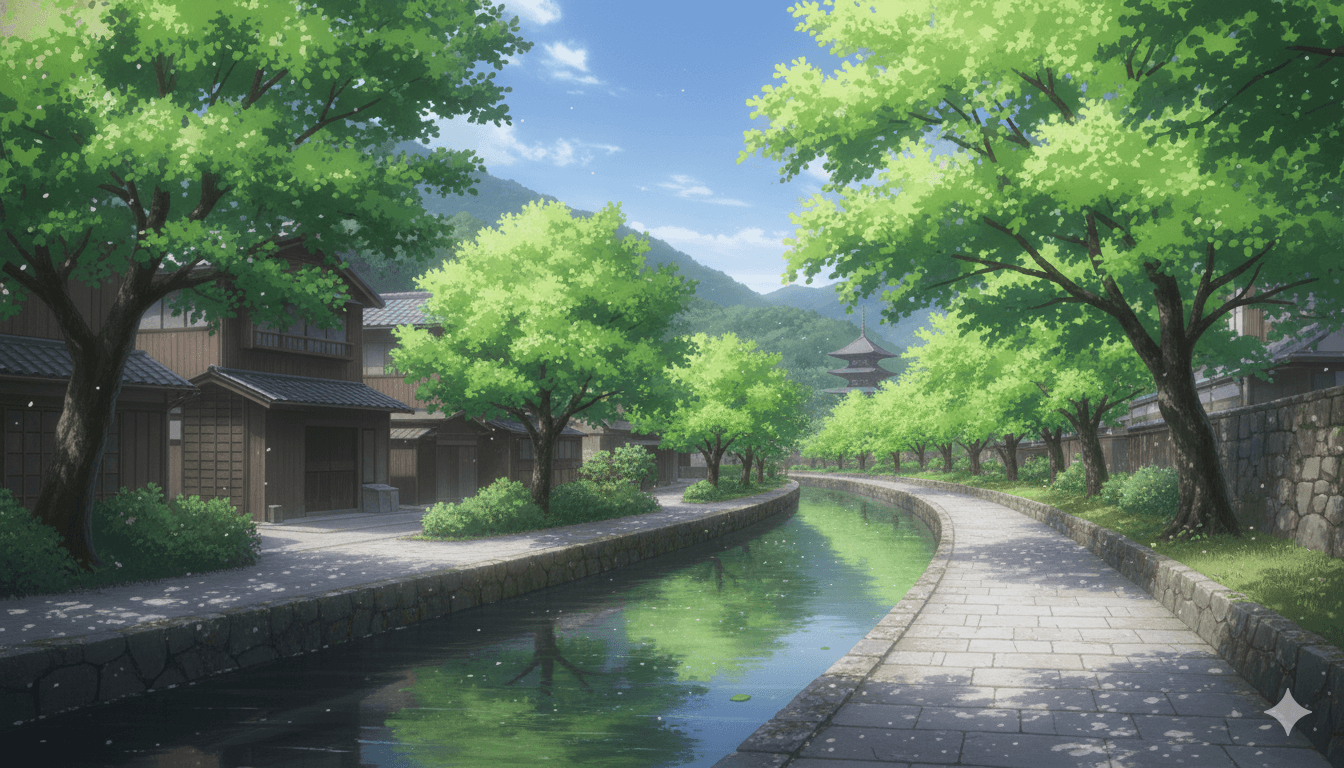
For a more Heian-era vibe, walk this two-kilometer stone path. It follows a canal lined with hundreds of trees. When the petals begin to fall, the water turns into a pink river. It connects the Silver Pavilion to Nanzen-ji, making it the perfect route for a "temple hopping" day.
Loading guide...
Daigo-ji: The Historical Titan
This is where Hideyoshi threw his famous party, and it remains one of the most spectacular spots in the city. The sheer volume of trees here is staggering. It’s a bit of a trek from the city center, which sometimes (but not always) spares it from the worst of the downtown crowds.
Loading listing...
Ninna-ji: The Late Bloomer
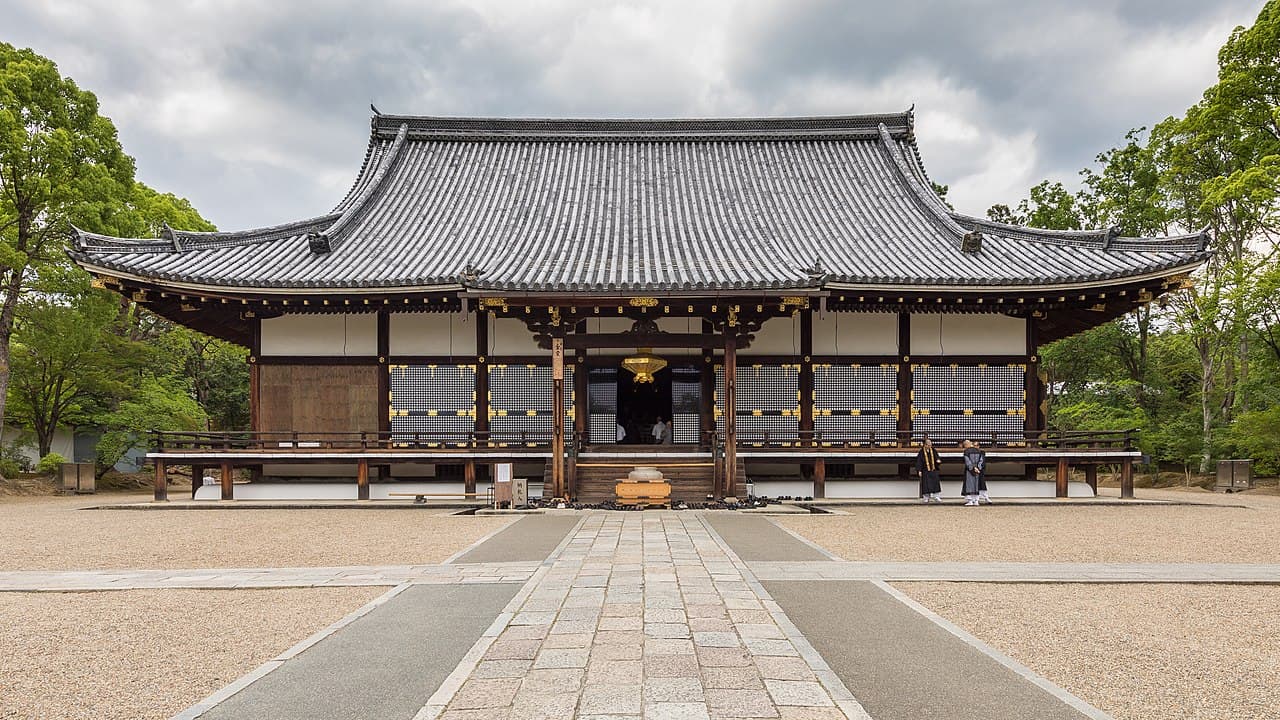
Did you arrive a week late? Don't panic. Head to Ninna-ji. This temple is famous for its Omuro cherry trees. They are a specific variety that blooms later than the standard Somei Yoshino. They are also shorter, meaning the flowers are right at eye level, immersing you in a cloud of white.
Loading listing...
Hirano Shrine: The Festival Spirit
This shrine has held a cherry blossom festival since 985 AD. Let that sink in. They have dozens of rare cherry varieties, meaning the blooming season here lasts longer than almost anywhere else. At night, the stalls light up, and it feels like a scene from an anime full of lanterns, laughter, and magic.
Loading listing...
Yozakura: Kyoto After Dark
Do not make the mistake of heading back to your hotel when the sun goes down. Kyoto transforms at night during this season. This is yozakura (night sakura).
Temples that are usually austere and quiet, like Kiyomizu-dera and Nijo Castle, blast their gardens with floodlights. It sounds tacky, but it’s actually transcendent. The lights are positioned to make the blossoms glow against the pitch-black sky, turning the trees into ethereal, floating sculptures. The crowds are still there, but the darkness adds a layer of mystery and romance that you don't get at high noon.
A Survival Guide for the Season
I won't sugarcoat it: Kyoto in April is intense. Here is how to survive and actually enjoy it.
-
The "One Year Out" Rule. If you want a nice hotel, you need to book it months in advance. A year is not unreasonable. If you are reading this in March and planning for April, you might be staying in Osaka and commuting. But that’s okay because the trains are fast.
-
Embrace the Morning. Most tourists eat breakfast at 9:00 AM and hit the temples at 10:00 AM. By then, Kiyomizu-dera is a mosh pit. If you can get to the Bamboo Grove or the Philosopher’s Path at 6:30 or 7:00 AM, you will have a completely different experience. You’ll have the silence that the Zen masters intended.
-
The Blue Tarp Etiquette. If you want to picnic, you are entering a competitive sport. In places like Maruyama Park, people stake out spots with blue tarps early in the morning for parties that won't happen until sunset. If you see a tarp, respect the claim.
-
Eat the Pink Food. During sakura season, Japan turns everything pink. You will see sakura-flavored KitKats, lattes, beer, and donuts. The traditional treat is hanami dango consisting of three chewy rice balls (pink, white, green) on a stick. Does sakura flavor taste good? It’s floral and slightly salty, like eating perfume. Is it mandatory? Absolutely.
-
Trust the Forecast. The Japan Meteorological Agency releases "Sakura Forecasts" that are treated with the seriousness of hurricane warnings. They predict the kaika (opening) and mankai (full bloom) down to the day. Watch these maps. A difference of elevation or a few miles can mean the difference between buds and blossoms.
The Final Petal
There is a specific sadness that comes at the end of a trip to Kyoto in spring. You realize that you probably won't see this exact beauty again. Next year, the weather will be different; the trees will have aged; you will be different.
But that is the lesson the city is trying to teach you. We don't love the cherry blossoms because they are pretty. We love them because they leave. So, take the photo, sure. But then put the camera down. Eat the dango. Drink the cheap sake. Look up at the pink canopy and let yourself feel the weight of the moment.
It’s fleeting. It’s messy. It’s perfect. Welcome to Hanaraku!