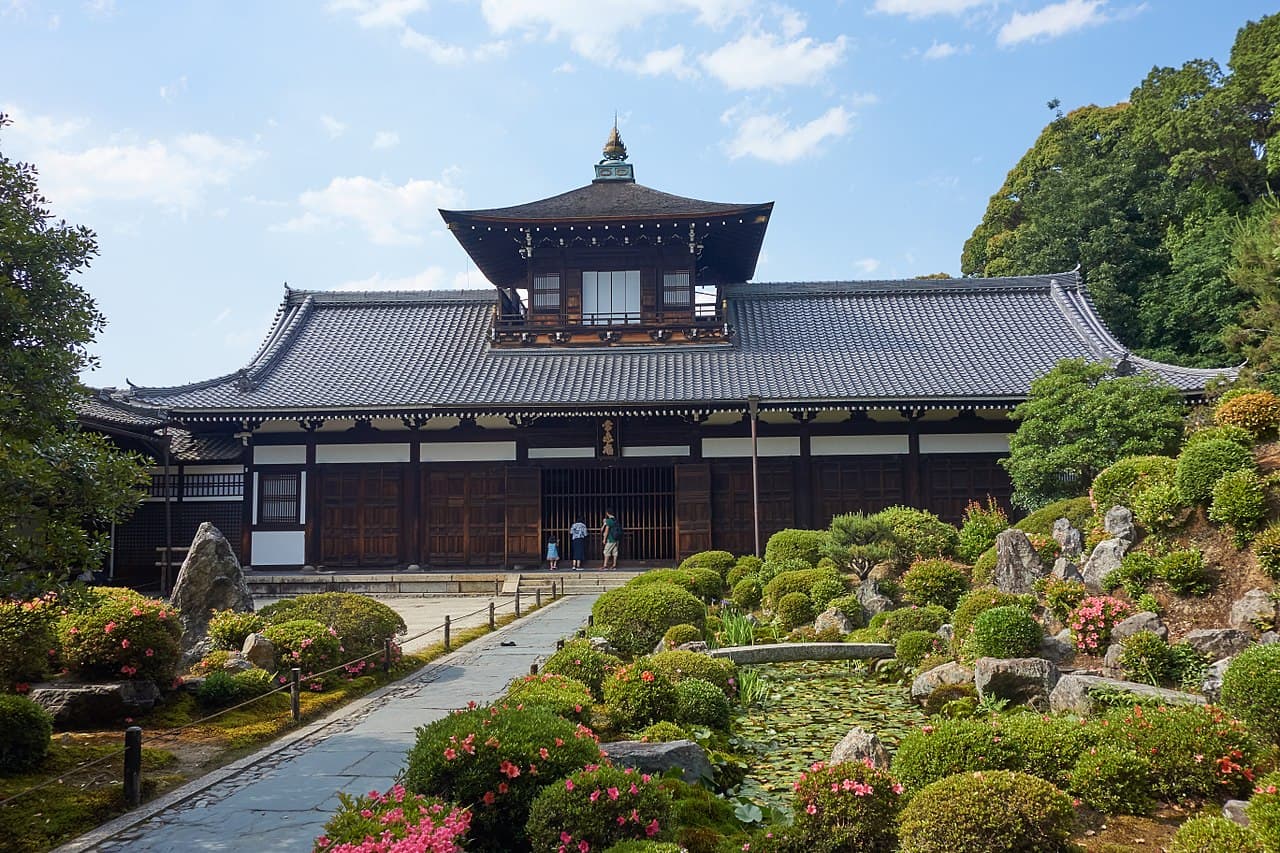
Imakumano Kannonji Temple
Imakumano Kannon-ji今熊野観音寺

Imakumano Kannonji Temple
Imakumano Kannon-ji今熊野観音寺
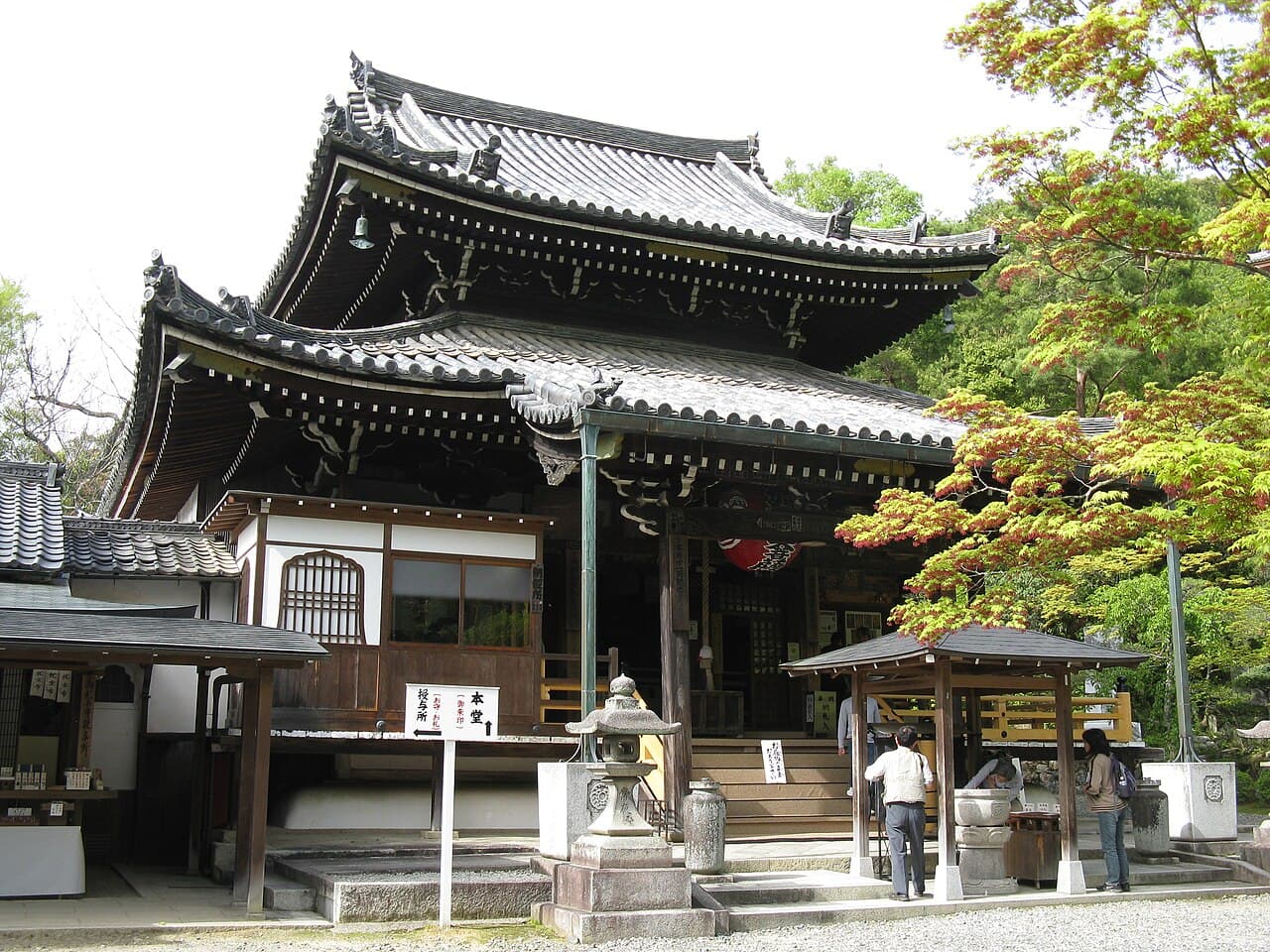
About Imakumano Kannonji Temple
Imakumano Kannon-ji is the 15th temple on the Saigoku Kannon Pilgrimage, founded by the legendary monk Kūkai. Nestled in a quiet corner of the Sennyu-ji temple complex, it's famed for its principal image of Kannon, which is believed to cure headaches—a reputation established when it healed Emperor Go-Shirakawa. The temple offers a tranquil retreat from Kyoto's busier spots, with beautiful wisteria in spring and vibrant maples in autumn. Note: This historic temple should not be confused with the modern, cat-themed "Nyan Nyan-ji" located in a different part of Kyoto.
Cultural Assets
Jūichimen Kannon (Eleven-Faced Kannon)
ArtworkThe temple's principal image of worship, a hibutsu (secret Buddha) that is not typically on public display. It is famously believed to cure headaches.
Cultural Experiences
Saigoku Kannon Pilgrimage
No Reservation NeededAvailability: Daily
Tea at Kanza Teahouse
No Reservation NeededAvailability: Daily during opening hours
Daikon-daki (Radish Boiling Festival)
No Reservation NeededAvailability: Periodically held
As the 15th stop on the Saigoku Kannon Pilgrimage, it offers a more spiritual and less crowded atmosphere than many larger temples.
General admission to the grounds is free. A separate fee may be required for special events, seasonal illuminations, or entry into specific garden areas.
A visit to the main grounds takes 30-60 minutes. Allow extra time for tea at the Kanza teahouse or for exploring the larger Sennyu-ji complex nearby.
The temple is on a forested hillside with inclines and uneven paths including a red bridge and steps. It may be challenging for visitors with mobility issues.
Best Time to Visit
Late November for autumn foliage and late spring for wisteria are particularly beautiful. Its 'hidden gem' status makes it a peaceful visit year-round.
Getting There
From Kyoto Station, take a city bus (e.g., #208) to the Sennyu-ji-michi stop, followed by a walk through the Sennyu-ji complex.
Photography Policy
Photography is permitted in the outdoor areas. It is strictly prohibited inside the main hall and other temple buildings.