Let’s address the elephant in the tatami-matted room: The Japanese tea ceremony (chadō or sadō) is not an efficient way to get caffeine into your bloodstream. If you want a quick buzz, find a vending machine.
If, however, you want to understand the very soul of Kyoto, you have to kneel down, stay quiet, and watch a host whisk green powder into hot water for forty-five minutes.
To the uninitiated, it looks like a rigid performance of obscure etiquette. Why turn the bowl? Why wipe the spoon just so? Why is the room so small? But once you peel back the layers of ritual, you find something startling: a radical philosophy of equality, a masterclass in mindfulness, and a cure for the modern attention span.
Here is why you should endure the leg cramps and experience the "Way of Tea."
From Caffeine to Consciousness
Tea didn't start as a spiritual pursuit. When Buddhist monks Kūkai and Saichō first hauled tea leaves back from China in the 9th century, it was essentially medicine. Later, Zen monks realized that this bitter elixir had a fantastic side effect: it kept them awake during marathon meditation sessions.
For centuries, tea was a toy for the elite, a reason for samurai and aristocrats to show off expensive Chinese porcelain and gamble on tea-tasting competitions. It was loud, flashy, and expensive.
Then came the disruptors. In the 15th century, Murata Jukō, a Zen scholar, decided that tea shouldn't be about showing off wealth. He infused the practice with Zen principles. But it was Sen no Rikyū (1522–1591) who went full minimalist. Rikyū serves as the patron saint of the modern tea ceremony. He stripped away the gold and the gossip, shrank the tea room to a claustrophobic two-mat size, and insisted that in the tea room, a peasant was equal to a warlord. He turned a social hour into a spiritual discipline.
The Four Pillars of the Pour
Rikyū boiled the ceremony down to four concepts (Wa-Kei-Sei-Jaku) that act as the software running the whole operation.
1. Wa (Harmony)
This is about the interplay between the host, the guest, the season, and the utensils. In a tea ceremony, you are not an audience member; you are a participant. Your movements must harmonize with the host’s.
2. Kei (Respect)
In Rikyū's time, samurai had to leave their swords outside the tea room. Inside, rank dissolved. Today, this manifests in how you treat objects. You don't just grab a tea bowl; you handle it like it's a newborn baby. By treating a bamboo scoop with reverence, you practice treating the world (and yourself) with dignity.
3. Sei (Purity)
Before you enter, you wash your hands and mouth. The host wipes the already-clean utensils in front of you. This is about clearing the psychic dust rather than hygiene. It’s a reset button for your brain.
4. Jaku (Tranquility)
This is the result. If you nail the first three, Jaku happens. It’s not a sleepy relaxation, but a dynamic stillness. It’s the feeling of being totally alone with others.
Wabi-Sabi: The Art of the Crack
You might notice the tea bowl looks... lopsided. Maybe it has a rough texture, or a crack repaired with gold lacquer (kintsugi).
This is wabi-sabi, the Japanese aesthetic of finding beauty in imperfection and impermanence. Western aesthetics often chase symmetry and eternity. Zen chases the opposite. A machine-made bowl is boring because it has no story. A handmade, slightly irregular bowl has character. It reminds us that nothing lasts, nothing is finished, and nothing is perfect.
The Mechanics of Mindfulness
Why are the movements so stiff? Why does the host fold the silk cloth (fukusa) in that exact geometric pattern?
It’s a hack for the brain. The ceremony is a form of samu, which can be understood as meditation through action. The movements are so precise that they require 100% of your attention. You cannot whisk tea the proper way while thinking about your email inbox.
For the guest, the ritual forces you to engage your senses. You listen to the water boil (described poetically as "wind in the pines"). You smell the grassiness of the matcha. You feel the heat of the bowl. It locks you into the present moment, creating a state of zanshin, that is, of lingering awareness.
Where to Experience the Way of Tea
Kyoto is the global capital of tea culture. Here are a few places where you can experience it without needing a PhD in Japanese history.
Ju-An at Jotokuji Temple
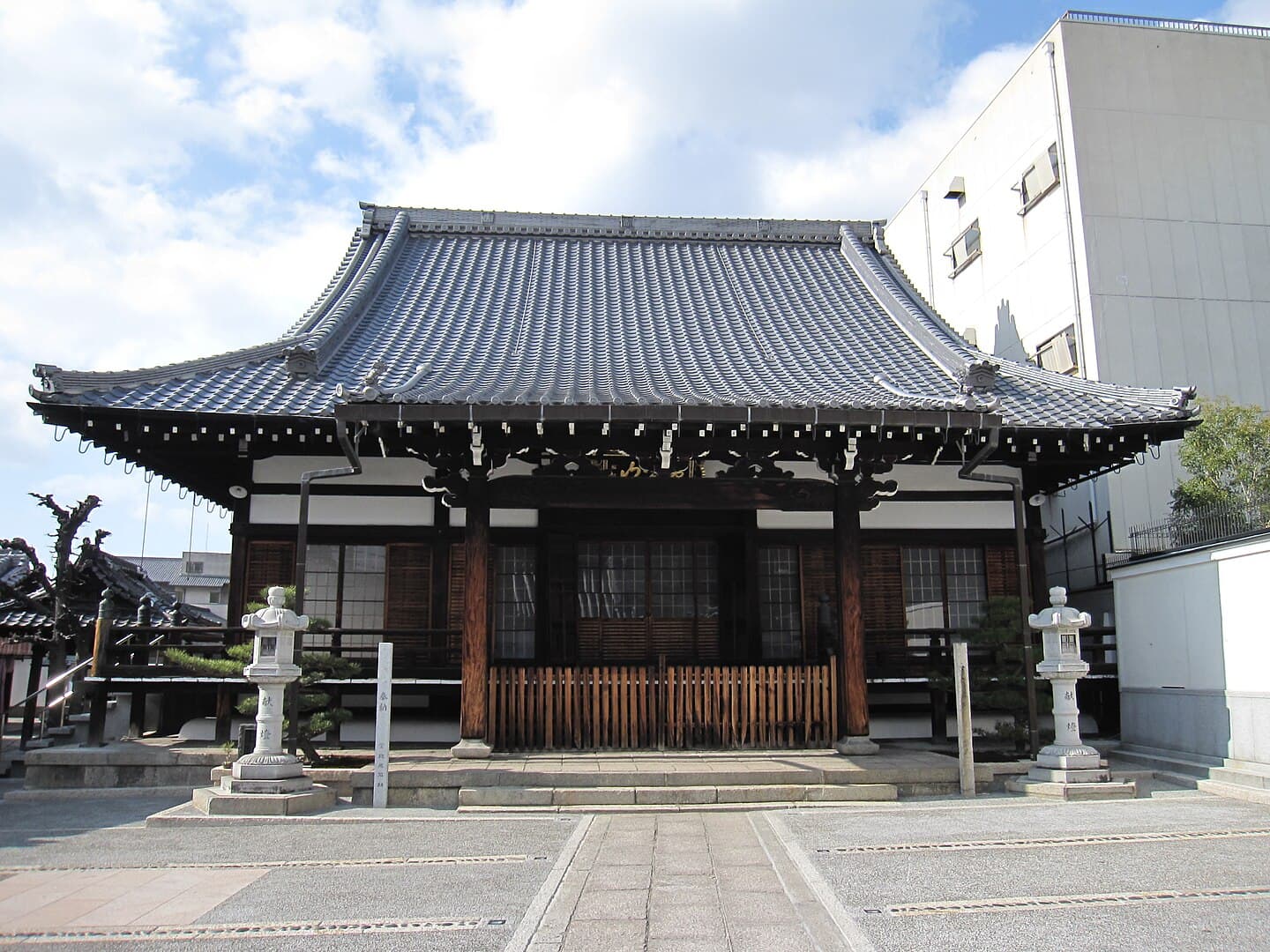
Located within a temple built in 1603, this is the real deal. You get the full atmosphere of a historic temple, complete with the purification ritual at the entrance. The tea masters here are incredibly patient with foreigners.
Loading listing...
Camellia Tea Ceremony
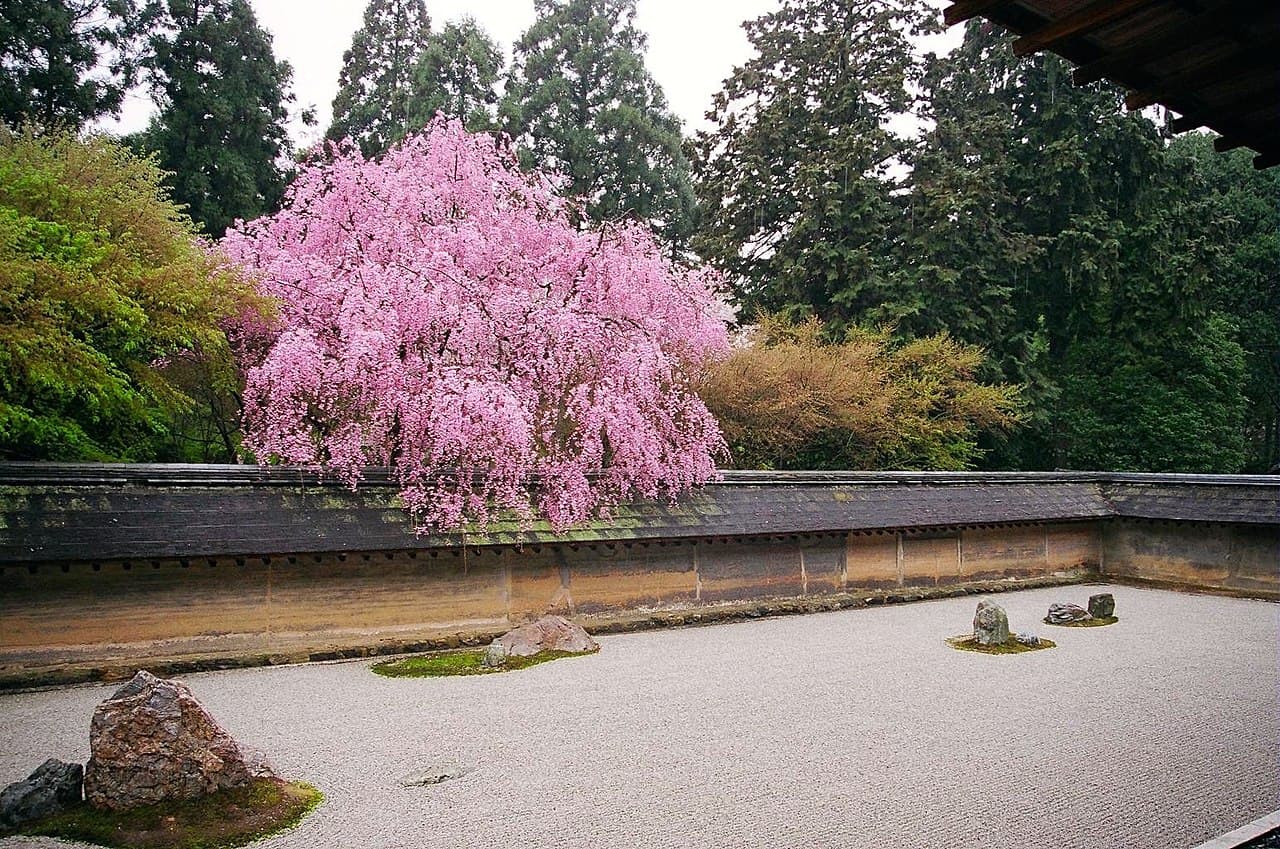
Situated in a historic house near Ryōan-ji and another in Higashiyama, Camellia is owned by Atsuko Mori, a charming expert who makes the process accessible. It’s less intimidating than a temple setting but strictly authentic.
Loading listing...
Tea Ceremony Koto
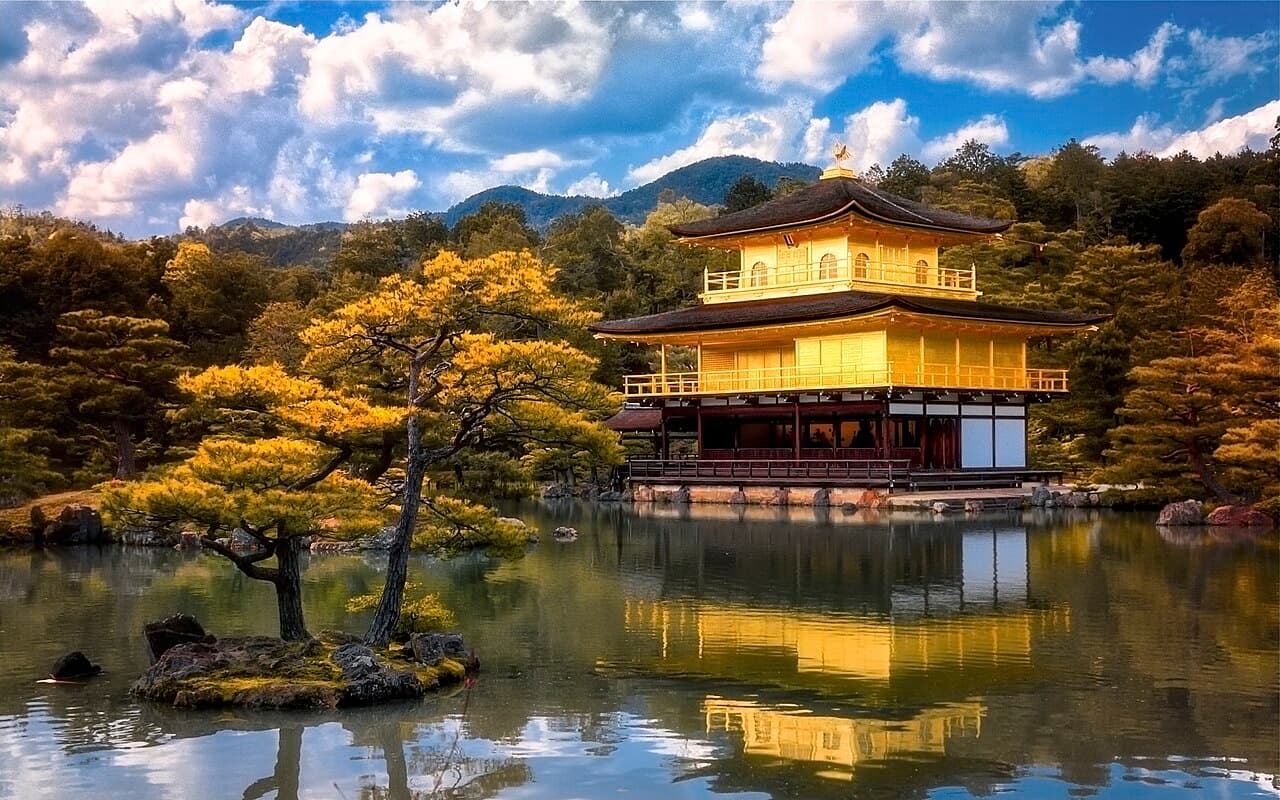
Ideally located just a minute’s walk from the Golden Pavilion (Kinkaku-ji), this is a great option if you want to combine sightseeing with culture. They offer a session that feels intimate and personal.
Loading listing...
A Crash Course in Etiquette
So, you’ve booked a session. Here is how to survive it with your dignity intact.
1. Wear clean white socks. It’s mandatory. You will be taking your shoes off, and white socks symbolize purity. If you show up in holey gym socks, you will feel the judgment of ancestors.
2. Take off your rings and watches. They can scratch the precious tea bowls. Plus, you’re supposed to be leaving time and status at the door.
3. You will be asked to sit in seiza (kneeling on your calves). It looks elegant. It feels like your legs are being slowly erased from existence. Pro tip: most venues catering to tourists now offer small stools or are forgiving if you sit cross-legged. If you must kneel, shift your weight slightly to your big toes.
4. When the tea is placed before you:
- Bow slightly to thank the host.
- Pick up the bowl with your right hand and place it on your left palm.
- Turn the bowl clockwise twice. Why? The "front" of the bowl has the most beautiful design. You turn it so you don't drink from the "face" of the bowl, which would be rude.
5. Take a sip. Then, on your last sip, make a loud slurping noise. In the West, this is bad manners. In the tea room, it tells the host, "This is so delicious I am getting every last drop."
The Takeaway
You will leave the tea room with numb legs and a caffeine buzz. But hopefully, you’ll take something else with you: a sense of slowing down.
In a world that screams for your attention, the tea ceremony whispers. It teaches you that the simple act of preparing a drink can be a sacred encounter. As the saying ichi-go ichi-e goes: "One time, one meeting." This moment, this bowl, this company will never happen again in exactly the same way. Drink it in.